
The buzz around Manuka: Nature's most surprising foot-care ally
- Sales Team
- Canonbury
- 11 Feb 2026 views

THE BUZZ AROUND MANUKA:NATURE’S MOST SURPRISING FOOT-CARE ALLY
If you’ve spent any time browsing health shelves, online or in-clinic, you’ll have noticed a certain ingredient creating quite a… buzz. Manuka has quietly migrated from the wellness world into clinical skincare, wound management, and now podiatry. But despite its popularity, few people could confidently explain what it actually is, why it’s different, or why podiatrists are suddenly paying attention. So, let’s lift the lid on the pot. Or the hive.
What Is Manuka, Really?
Manuka comes from the Leptospermum scoparium plant, native to New Zealand. When bees forage on its small white-topink flowers, they create Manuka honey, a substance that’s been studied for decades for its unusual biological activity. One compound in particular, methylglyoxal (MGO), appears in strikingly high concentrations compared to other honeys.
Meanwhile, the leaves and stems of the same plant can be steam-distilled to create Manuka oil, an essential oil rich in β-triketones, compounds known for their antimicrobial properties.
Think of Manuka as one species with two distinct personalities:
- Honey = soothing, osmotic, woundsupporting
- Oil = antimicrobial, odour-neutralising, skinpenetrating
Both come from the same plant. Both deliver therapeutic value. But they work in completely different ways.
Only one of them can be classified as medical grade: Manuka honey, when purified and processed correctly.

Why Is Manuka Suddenly Everywhere?
In short: because the science finally caught up with the folklore.
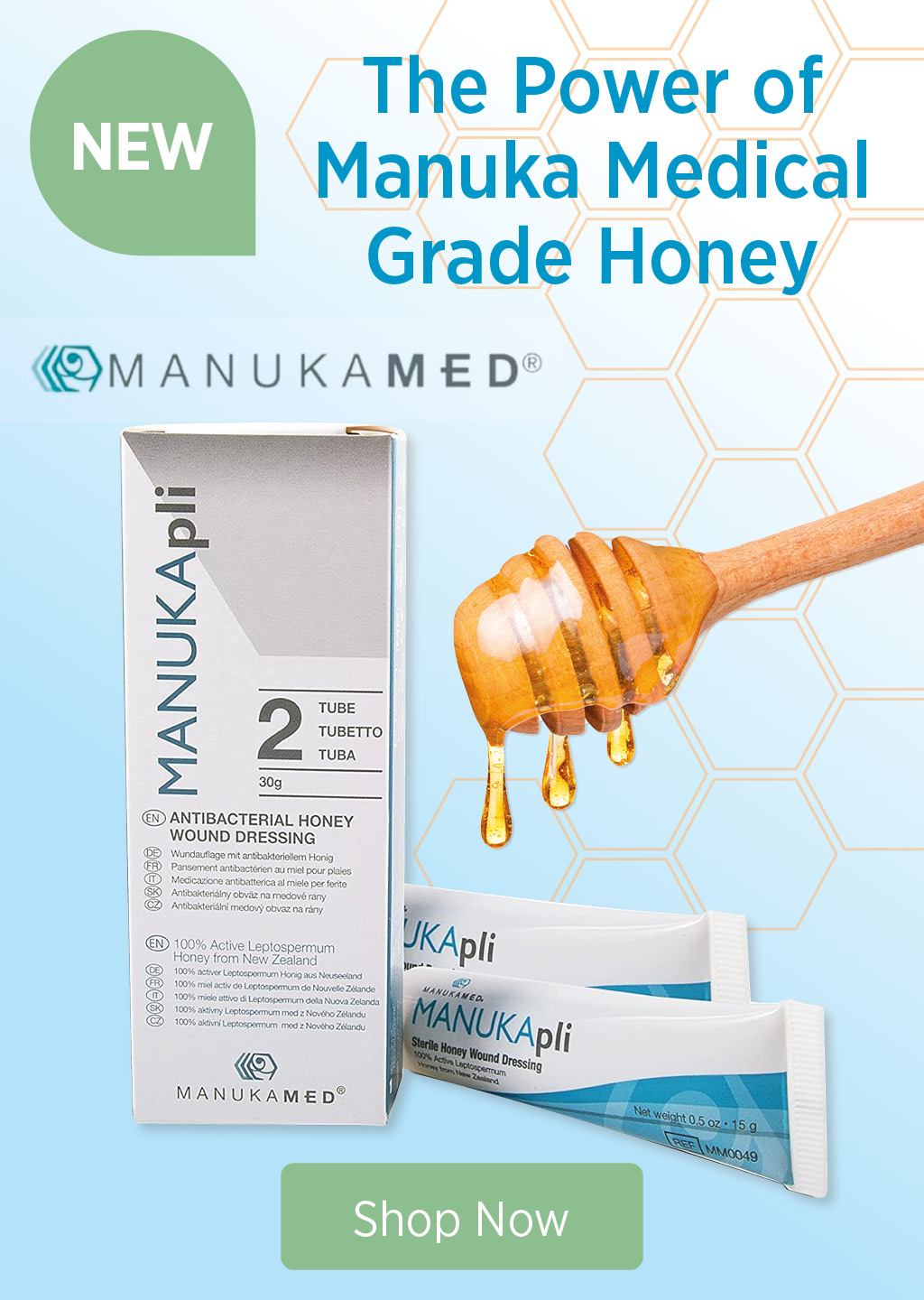
Manuka honey has long been used in traditional medicine, but only in the last decade have researchers begun mapping its biochemical behaviour with precision. Companies like ManukaMed, based in New Zealand and widely recognised as leaders in honey science, have helped establish evidence-based uses in wound care and tissue management. Their medical-grade honey is monofloral, purified, and produced with strict quality control, all of which ensures consistent activity levels.
As research has grown, so has awareness. Clinicians have become more confident using Manuka-based products because the mechanisms of action are now better understood and more clearly documented.
And there’s a trend element too. Patients already trust Manuka as a natural ingredient, and podiatrists are finding that ‘natural’ and ‘evidence-based’ don’t have to be mutually
exclusive.
Manuka Oil vs Manuka Honey - What’s the Difference?
Here’s the nutshell version.
Manuka Honey
Medical-grade Manuka honey contains a complex blend of bioactive components. In clinical settings, it is associated with:
- Decreased biofilm
- Lower wound-bed pH, creating a more favourable environment
- Increased plasmin activity, helping loosen slough and necrotic tissue
- No cytotoxicity
- Support for natural healing processes
- It works primarily through:
- Debridement support, thanks to plasmin activation
- A moist, protective environment, which reduces disruption to new tissue
Manuka Oil
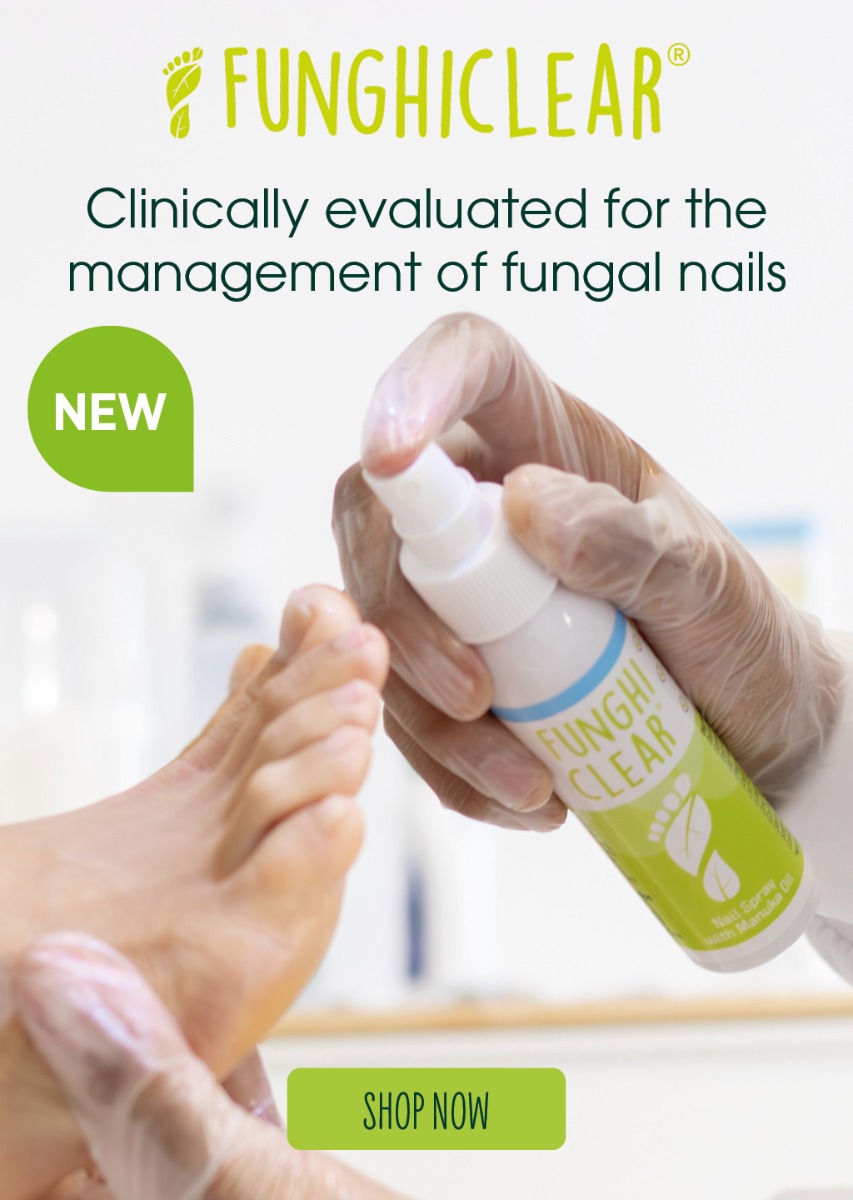
Manuka oil, in contrast, is all about its antimicrobial activity. Rich in β-triketones, it has been used for decades in managing fungal and bacterial challenges, making it a natural fit for foot-care regimes.
FunghiClear highlights that Manuka oil:
- is 100% natural
- contains no pharmacological agents
- supports management of fungal-related nail issues
- helps promote healthy regrowth of brittle or discoloured nails
- has been used safely in hundreds of clinical observations
Honey is the gentle healer.
Oil is the strong defender.
Together, they’re quite the double act.
Quick Guide - Manuka Honey vs Manuka Oil
| Feature | Manuka Honey | Manuka Oil |
| Source | Nectar from Manuka flowers | Leaves & stems of the Manuka plant |
| Key Compounds |
MGO, antioxidants, enzymes |
β-triketones |
| Used For | Wounds, skin protection, tissue support |
Antimicrobial support, fungal-related concerns |
| Mode of Action | Osmotic effect, pH reduction, slough loosening |
Surface-level antimicrobial properties |
| Feel | Thick, soothing, moisturelocking | Lightweight aromatic oil |
The Science - in Human Terms
No need to dust off your microbiology textbooks. Here’s the simplified version.
Why Honey Works
Manuka honey’s low pH and high sugar concentration create an environment where microbes struggle to thrive. Its osmotic action pulls fluid into the wound bed, assisting natural debridement. Meanwhile, compounds like MGO help reduce biofilm, one of the biggest obstacles in chronic wound care.
ManukaMed data highlights improved plasmin activity, which supports tissue renewal and helps loosen devitalised material.
Why Oil Works
Manuka oil contains β-triketones - potent molecules that give the oil a strong antimicrobial effect. In FunghiClear, this
makes the oil especially useful in daily routines supporting healthier-looking nails in cases of fungal-related changes. The product’s clinical data shows improvements in nail appearance within 12 weeks, with patients reporting it easy to apply and pleasant to use.
Think of honey as the environment-builder… and oil as the bouncer standing at the door.

Why Podiatry Is Adopting Manuka Now
Podiatrists deal with three things daily:
- compromised skin integrity
- persistent microbial challenges
- patients who want options that feel safe and natural
Manuka fits all three.
For wound-focused clinicians
Medical-grade Manuka honey offers a valuebased, evidence-supported way to support the wound bed, reduce disruptive factors like slough or pH imbalance, and maintain a moist environment. ManukaMed’s products are designed exactly for this purpose, using monofloral honey processed to safe clinical standards.
For nail and skin practitioners
Manuka oil (as in FunghiClear) provides a natural, easy-to-use addition to fungalmanagement routines without pharmacological effects. The clinical evidence points to improvements in nail appearance and reduced severity scores after regular use.
For domiciliary practitioners
Both forms of Manuka travel well and are straightforward for patients to use at home, making them easy for clinicians to build into everyday foot-care routines.
| The Science at a Glance. |
| Why Clinicians Are Paying Attention |
|
Sweet Science, Serious Potential
Manuka’s rise in foot care isn’t a fad. It’s the result of growing evidence, better processing and a shift in what clinicians (and patients) expect from topical products.
Whether it’s the soothing, clinically supported impact of medical-grade Manuka honey or the antimicrobial strength of Manuka oil, this once-niche ingredient is rapidly establishing itself
as a trusted ally for modern podiatry.
So yes, there’s a bit of buzz about it. But for good reason.

 |
 |
Posts