Sustainability in Podiatry
- Sales Team
- Canonbury Blog
- 22 Apr 2026 views
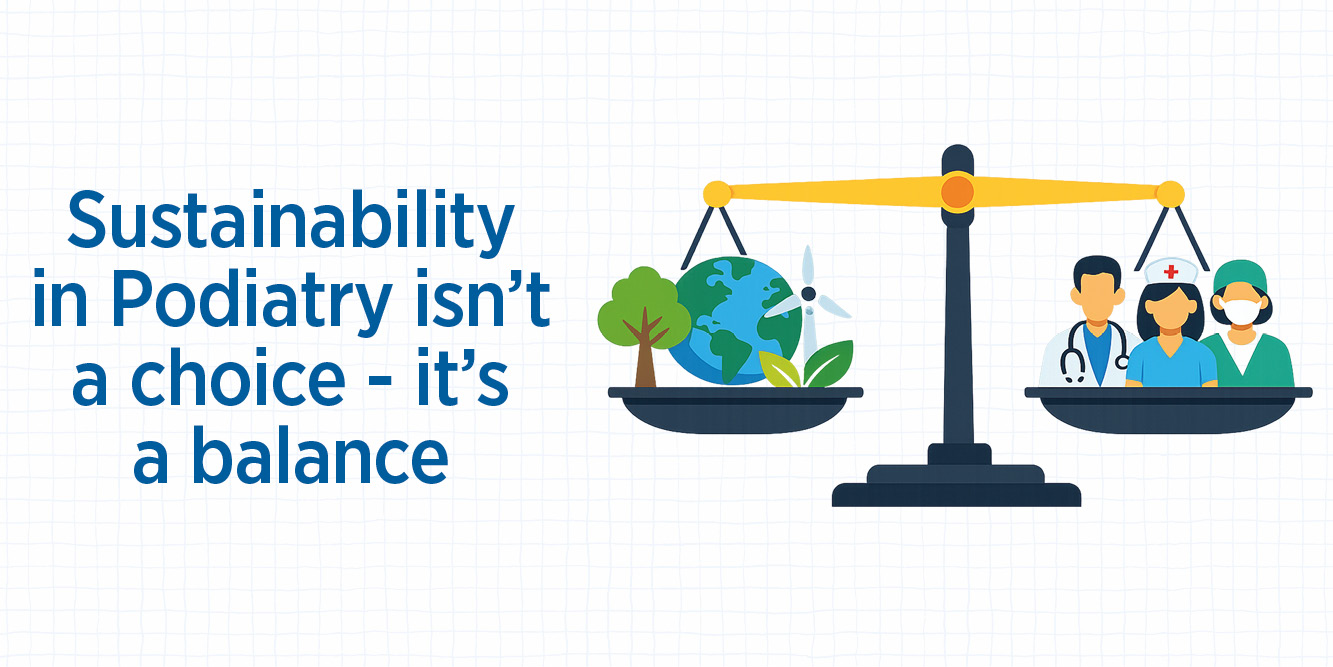
Sustainability is no longer a niche topic within podiatry, it is becoming an everyday consideration for clinics across the UK. From waste generation to sterilisation processes, from packaging to PPE, our profession touches far more environmental touchpoints than many realise. But as conversations about greener practice grow louder, so does a recurring question:
Is it better to use single-use or reusable instruments?
It’s a simple question, but the answer is anything but. And perhaps more importantly, it’s not the most useful question anymore.
Both single-use and reusable instruments carry an environmental footprint, just in different ways. Reusable instruments avoid ongoing disposal waste but rely heavily on water, energy, and chemicals during reprocessing. Single-use eliminates complex sterilisation cycles but typically involves resource-intensive manufacturing, packaging materials, and clinical waste disposal.
Canonbury’s recent inclusion in The Podiatrist (Sept/Oct edition) highlights this nuance well: true sustainability depends on context.
In real clinics the answer isn’t binary, it’s blended, practical, and influenced by the realities of each workplace.
Much of the environmental conversation focuses on nippers and nail files, but the greatest opportunity for impact often lies in the everyday consumables that quietly accumulate waste.
Think of the items used hundreds of times a week:
- Cleaning sprays
- Sterilisation pouches
- Wipes
- Gloves
- Foot rasps
- Packaging
- Bottles, tubs and single-use plastics
-
PPE
Small changes here can drastically reduce waste without altering clinical outcomes
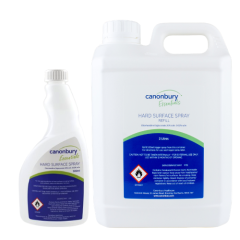
For example, many clinics default to large sterilisation pouches even when autoclaving small burrs. Switching to smaller pouches cuts material use immediately. Refillable chlorhexidine
and footcare sprays reduce single-use plastic. Biodegradable gloves and wipes offer greener alternatives to traditional consumables. Even something as simple as adopting a biodegradable rasp prevents plastic-heavy products entering waste streams.
Canonbury has been increasing its range of low-impact options for this very reason. While no single product will transform a clinic’s carbon footprint overnight, a collection of small swaps absolutely can.
“Sustainability in podiatry isn’t about choosing sides. It’s about understanding the full lifecycle of the tools and products we rely on every day."
Different clinics, different sustainability pathways
One of the biggest misconceptions in the sustainability debate is the idea that there is one ‘correct’ model for all podiatrists. In reality, the environmental impact of an instrument or product is shaped as much by where and how it is used as by what it is made of.
Domiciliary practice
A practitioner working from patients’ homes often lacks access to a full decontamination suite. Transporting sterilisation equipment is neither practical nor environmentally sensible.
In these cases, high-quality single-use instruments become the most responsible choice - safer, consistent, and with a predictable waste stream.
Private clinics with autoclave capacity
Established clinics with efficient autoclaves and clear sterilisation workflows may find that reusable instruments, when cared for and maintained effectively, offer a lower long-term footprint.
NHS and community settings
When infection prevention protocols dictate single use only in certain settings, sustainability discussions shift towards responsible procurement, reduced packaging, and recycling opportunities where they exist.
New or growing clinics
A practice that is still building its infrastructure may need a hybrid approach, gradually increasing reusable capacity as equipment and staffing allow. There is no single sustainable podiatry
model. There are many models, all valid in their own context.
Practical Sustainability: Changes that make a difference
Every clinic, regardless of size or setting, can adopt sustainable practices without disrupting patient care. Some of the most accessible improvements include:
- Choosing biodegradable or plastic-free consumables (e.g., wipes, foot rasps).
- Refilling bottles and sprays instead of discarding them.
- Selecting smaller sterilisation pouches to minimise unnecessary waste.
- Exploring reduced-material single-use instruments where clinically appropriate.
- Standardising ordering to reduce packaging and transport emissions.
- Ensuring instrument maintenance extends the life of reusables.
Canonbury’s approach has always been to support podiatrists in making choices that fit their clinical reality. That means offering greener consumables, guiding practitioners through sustainable alternatives, and continually reviewing product materials, packaging, and sourcing.We don’t believe sustainability should compromise hygiene, clinical safety, or workflow, and it doesn’t need to.
“Often, the most meaningful sustainable changes aren’t radical, they’re the small, persistent choices made every day in clinic.”
The future of sustainable podiatry
The shift towards environmentally conscious practice will continue to evolve over the coming years. We expect to see:
- More manufacturers reducing material use
- Advances in sterilisation technology
- Growth in refillable and biodegradable product ranges
- Better recycling pathways for certain clinical waste streams
- Packaging reductions across the industry
-
Increased carbon awareness within clinical guidelines
But perhaps the most important development is the growing willingness of practitioners to engage in these conversations, not from a place of pressure or obligation, but from professional pride and responsibility. And Canonbury will continue to play its role: curating sustainable options, helping practitioners navigate the complexities of environmental impact, and supporting
a shift that is realistic, evidence-led, and clinically safe.
A journey we take together
Sustainability in podiatry is not about abandoning one method in favour of another. It is about making informed, balanced decisions that reflect the needs of individual clinics while contributing positively to the planet.
Single-use and reusable instruments both have a place. Consumables can and should evolve. Small changes add up, and meaningful progress happens when suppliers and clinicians move together in the same direction.
The goal isn’t perfection - it’s improvement, step by step.






Posts