Hallux Rigidus Treatment - A Guide for Podiatrists
- Sales Team
- Canonbury
- 16 Mar 2026 views
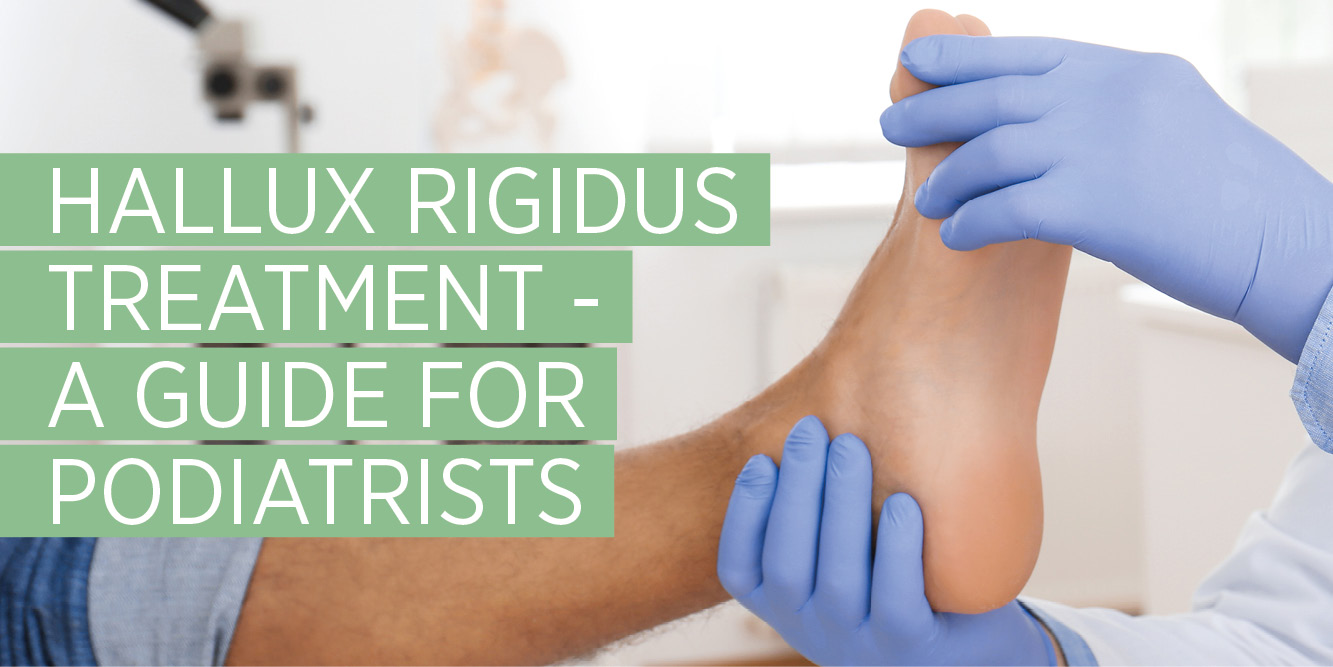
Hallux Rigidus Treatment - A Guide for Podiatrists
Understanding Hallux Rigidus
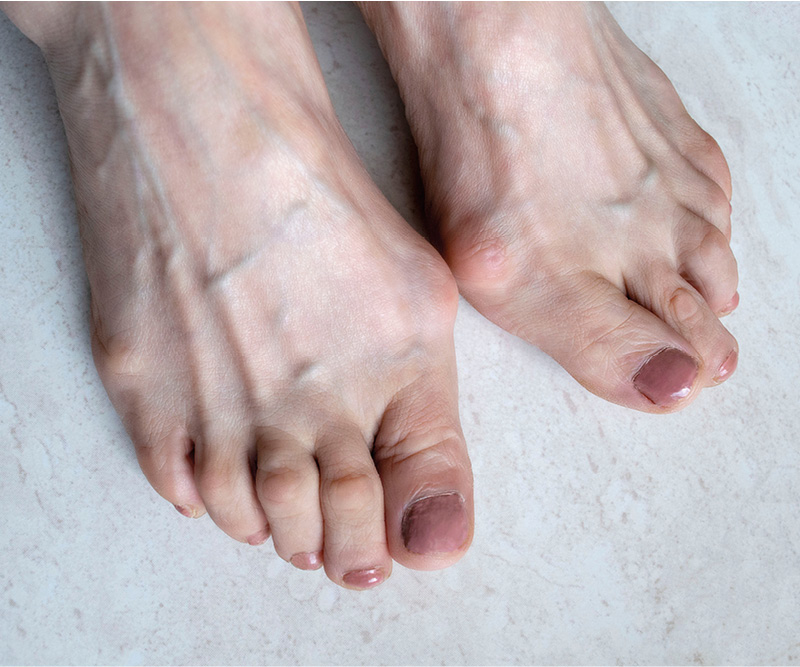
Hallux Rigidus is a form of arthritis that affects the metatarsophalangeal joint where the big toe meets the foot. Just like arthritis, Hallux Rigidus causes inflammation and swelling around the joints, leading to pain, especially when bearing weight on the affected areas.
Whilst there are surgical treatment options available, many patients report being able to manage their symptoms with over the counter pain relief and wearing different types of shoes to better support their feet. Patients might, however, require surgery if the pain and stiffness affect their ability to go about their daily activities.
Hallux Rigidus or Hallux Valgus
Stiffness in this joint doesnt always lead to a diagnosis of Hallux Rigidus, as other conditions can cause the same or similar symptoms.
Hallux Valgus is another condition which can cause similar symptoms, otherwise know as a bunion. This is classed as a structural irregularity where the big toe deviates towards the second toe, leading to the bump on the inside of the foot (the bunion). The main difference between Hallux Rigidus and Hallux Valgus mostly involves the toe misalignment rather than joint stiffness found in arthritis. The pain is usually located over the bunion bump rather than felt deeper within the joint itself.
Other conditions that can share similar symptoms with Hallux Rigidus are:
- Gout
- Turf toe
- Sesamoiditis
- Fractures/ Dislocations
- Septic joint
- Rheumatoid arthritis
- Freiberg disease
- Morton neuroma
- Reverse turf toe
- Soccer toe
Getting a Hallux Rigidus Diagnosis
Often, a Podiatrist can diagnose this with a physical exam, testing the joints range of motion and checking how far the toes can be bent. A foot X-Ray can also be used to rule out any injuries or bone spurs. Bone spurs are often signs of ageing, osteoarthiritis and tissue injury.
Treatment Options Available to Patients
There are a variety of treatment options, noth surgical and and non surgical, available to patients. Which one is suitable will depend on each patients symptoms and severity.
Conservative (Non Surgical) Treatment Options
Footwear and Insoles
Footwear with plenty of room for the toes to move and bend can help to relieve the pressure on the joint, as well as shoes with stiff soles. It is also best to avoid wearing high heels or shoes that squeeze the toes.
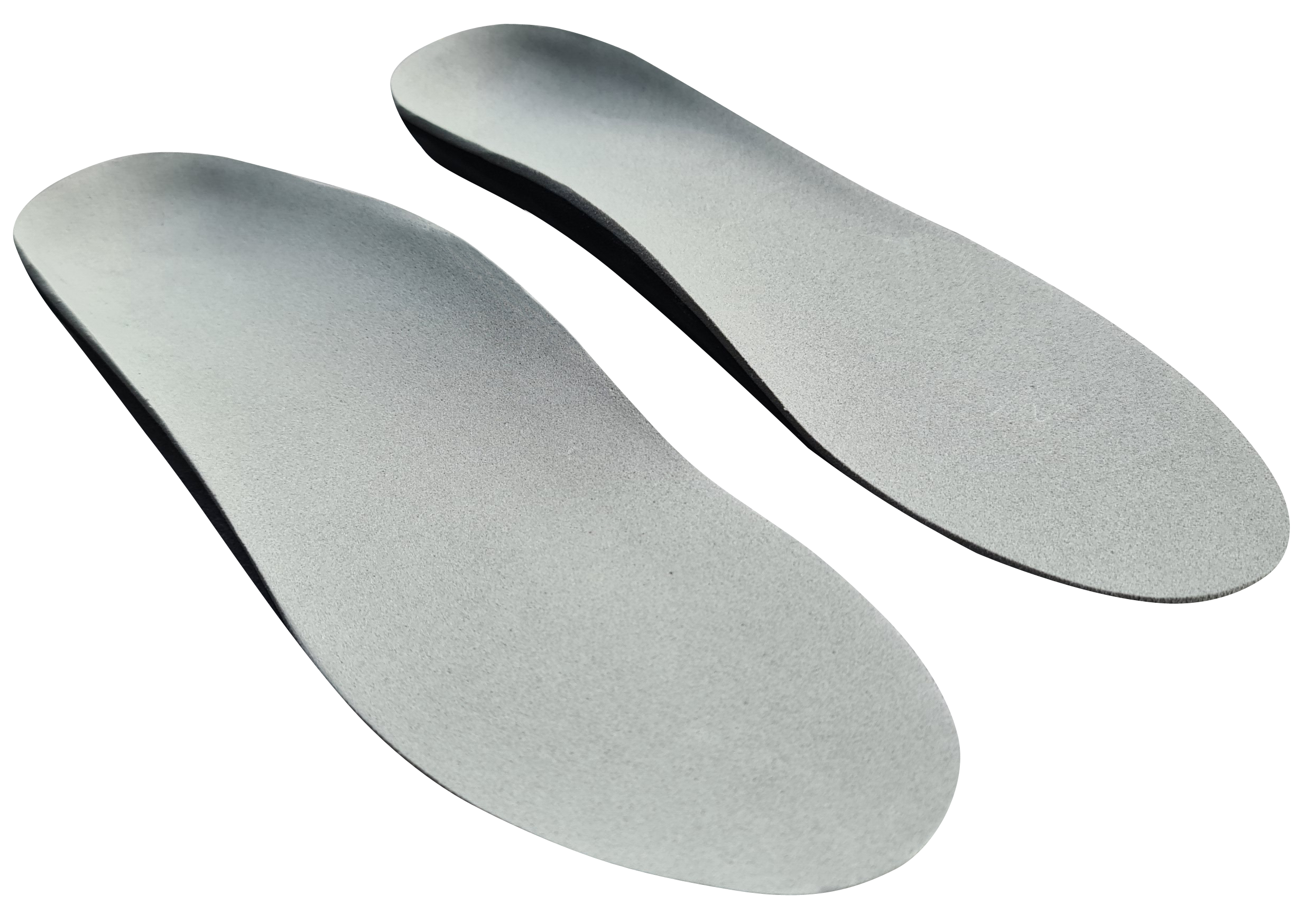
Insoles for Hallux Rigidus
https://www.canonbury.com/orthotics-insoles/insoles/insoles-arch-support/pedag-viva-insoles.html
Alternative Footwear
Footwear with plenty of room for toes to move and bend can help to relieve the pressure on the joint, as well as shoes with stiff soles. It is also best to avoid wearing high heels or shoes that squeeze toes.
Insoles and Supports
Various products are available to alleviate the symptoms of Hallux Rigidus, such as selected Dola insoles, as well as sleeves and splints which reduce the pain and discomfort of the condition.
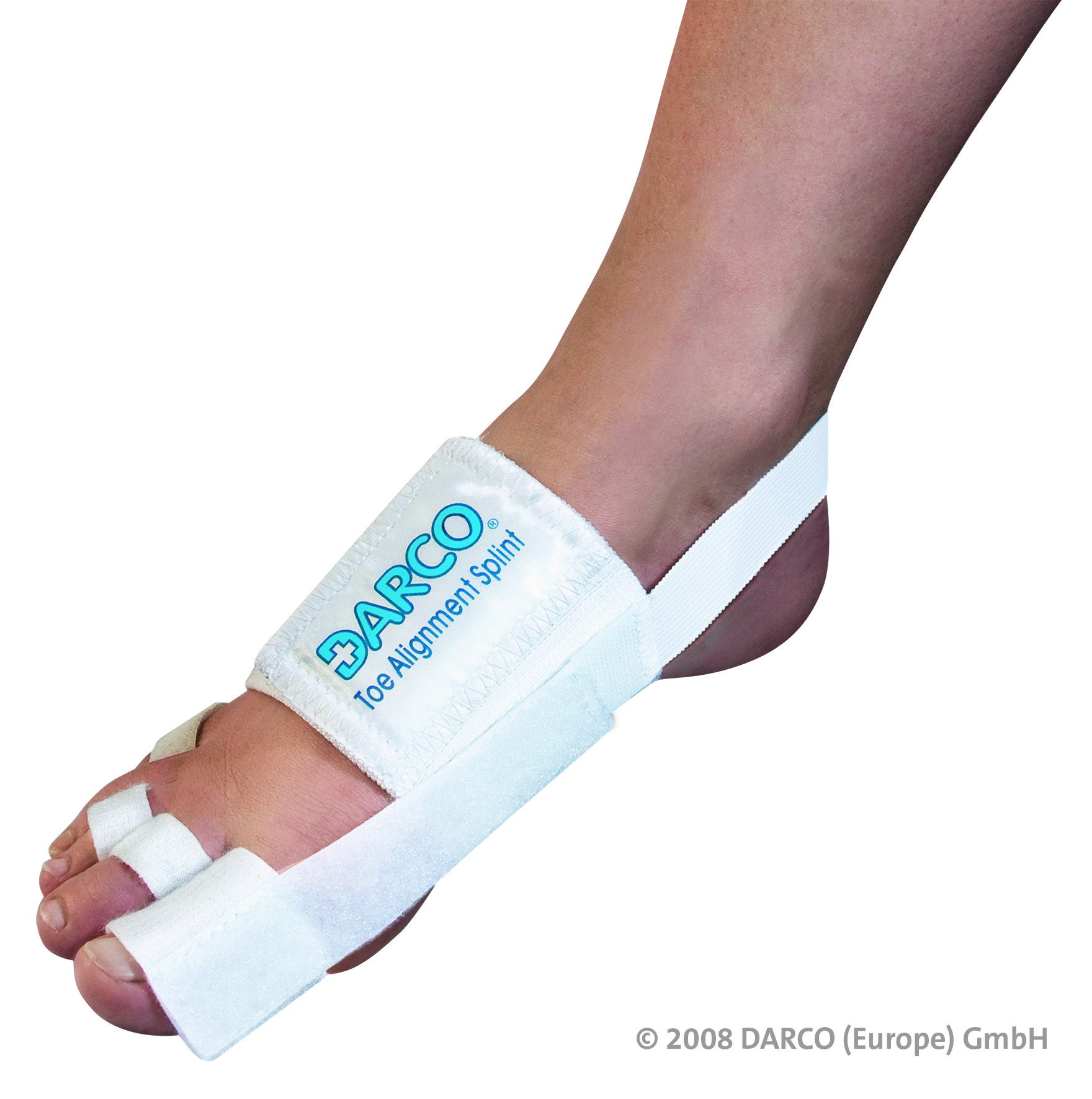
Pharmacological Management (NSAIDs, Corticosteroid Injections)
NSAIDs
Over-the-counter nonsteroidal anti-inflammatory medications (NSAIDs) such as aspirin or ibuprofen can help to relieve the pain brought on by Hallux Rigidus. However, it is not recommended to take them consistently for more than 10 days without consulting a healthcare provider.
Corticosteroid Injections
Corticosteroids are a type of steroid that works to reduce inflammation. These would be administered into the affected joint to reduce the inflammation directly. They can also be given as a pill, but this isn’t as effective for Hallux Rigidus treatment.
Physical Activity and Lifestyle Modification
A podiatrist might recommend cushioning pads or specialist toe protectors that sit over or around the first metatarsophalangeal joint to reduce pressure and limit excessive movement. These devices can help offload the dorsal joint surface and reduce irritation caused by footwear.
Felt or foam padding can also be applied to offload pressure from the dorsal aspect of the joint. Podiatrists may use adhesive padding, foam sheets or pre-cut felt devices to redistribute weight and reduce pain during gait.
Ice packs and foot soaks are also recommended to relieve the pain from the joint. Make sure to wrap an ice pack in a thin towel to avoid putting it directly onto the skin, and keep the foot elevated. Alternatively, patients can soak the feet in a contrast bath, switching between two separate containers of hot and cold water every 30 seconds.
Offloading and Pressure Redistribution Techniques
Offloading is a key part of managing Hallux Rigidus conservatively. By reducing mechanical stress across the first metatarsophalangeal joint, podiatrists can significantly improve patient comfort and slow symptom progression.
Techniques may include the use of specialist padding, toe protectors, orthotic modifications and rigid inserts to limit dorsiflexion during walking (gait).
Combining mechanical offloading with footwear advice often provides meaningful symptom relief before surgical options are explored.
Surgical Management of Hallux Rigidus
Even though surgery isn’t a common treatment method for Hallux Rigidus, it becomes an option for those experiencing severe pain and discomfort.
How do Podiatrists Know When Surgery is Needed
A podiatrist or healthcare provider might suggest a surgical treatment when a patient has tried other treatment options, however, they didn’t relieve their symptoms, or if the hallux rigidus makes it difficult to participate in their daily routine.
Types of Surgery Options
Cheilectomy
A cheilectomy would allow your toe to move more freely by providing more room to bend. The procedure would involve the surgeon shaving down any bone spurs or growths on the metatarsophalangeal joint to relieve pain and improve the mobility of your joint.
In clinical and surgical settings, precision grinding equipment is used to carefully reduce dorsal osteophytes and remodel the joint surface while preserving as much healthy bone as possible.
Osteotomy
An Osteotomy involves the surgeon cutting down the toe bones to reallign or shorten the affected big toe.
Arthroplasty
An Arthroplasty, also known as a joint replacement, involves the surgeon removing the damaged part of the bone in the MTP joint and replacing it with donor tissue between the joint ends.
Arthrodesis
An Arthrodesis, also know as a joint fusion, involves the surgeon removing damaged cartilage and joining the bones in the joint together. This surgery offers a permanent treatment solution, but it may restrict movement of the big toe. It is often considered a last resort because of this limited mobility.
Risks of Surgery for Hallux Rigidus
There is a risk with any surgical procedure however they are rare when treating Hallux Rigidus. A surgeon should discuss the risks with the patient before going ahead with the surgery. The main risks of surgery in this instance are:
- Infection
- Joint stiffness
- Arthritis progression (worsening)
- Misshapen toe recurring
- Long term swelling
Postoperative Care
Recovery will look different for each patient, depending on thier medical history and the type of treatment they recieve. For example, if someone changes thier shoes they might feel the difference in a day and not need anything further, whereas surgical treatments will require a longer rest and recovery period. It is important for the patient to rest as recommended by thier surgeon to avoid post-operative complications.
During recovery, protective padding and cushioning dressings may be used to shield the joint from pressure while gradual weight bearing resumes.
Cheilectomy and Arthroplasty
- 2 Weeks with a special shoe
- Swelling expected for a few months
Osteotomy
- 6 - 8 weeks of swelling
- 3 months for complete recovery
Joint Fusion
- 3 - 6 weeks using a boot/ cast
- A few weeks using crutches
- A few months experiencing swelling and stiffness
Managing Hallux Rigidus in Athletes
When it comes to treating athletes, surgery is usually left as a last resort, as the goal should not only be managing the pain but also prolonging thier careers. Special shoes as well as special insoles can be designed for sports shoes.
An arthrodesis or joint fusion surgery is the most reliable way to achieve long-term pain relief however, it can have a significant impact on playing certain sports.
Considerations for Elderly Patients
When treating elderly patients with Hallux Rigidus, podiatrists will need to take extra caution, especially if they have other health conditions such as heart problems.
Avoid oral NSAIDs
it is highly advised to avoid oral NSAIDs in elderly patients with cardiac, renal or fluid retention, as oral NSAIDs can aggravate these conditions and put the patient at risk.
Wait 6+ months before surgery
Where possible, you want to avoid unnecassary surgery in older patients, and it is advised to try other comprehensive non-surgical treatments for at least 6 months before considering surgery.
Consider a resection arthroplasty
This is another option available for less active elderly patients
Emerging Trends and Future Directions in Hallux Rigidus Treatment
The diagnosis and treatment of Hallux Rigidus have changed exponentially over recent years to provide even better treatment options to patients across the world. With the advancement of AI, we have seen an enhanced diagnosis accuracy with more resources allocated to a more personalised treatment plan for patients. AI-Powered imaging has also been capable of detecting more subtle changes in joint degeneration with more precision than traditional methods. This has led to early diagnosis and intervention rather than when the condition has worsened.
We have also seen the recent introduction of synthetic cartilage implants to provide more variety in treatments for patients, and not waiting until a viable donor has been found. In a bid to avoid invasive surgical techniques, podiatrists and surgeons around the world are working to increase the adoption of more minimally invasive surgeries. This will help to reduce recovery times for patients.
In this blog, we have covered how athletes will recieve custom shoes for their competitive sports. We are also seeing the development of more personalised footwear solutions for the general public rather than a one size fits all approach.
Takeaways for Podiatrists
Podiatrists should be well informed on Hallux Rigidus to ensure they provide the best care for all of their patients. With this comprehensive guide, Canonbury aims to provide an accessible guide to new and existing podiatrists so they are well informed on diagnosing and treating this condition.
Effective management of Hallux Rigidus relies not only on clinical knowledge, but also on having access to the right tools and materials. From precision grinding equipment used in surgical procedures, to specialist padding, toe protectors and cushioning solutions for conservative care, selecting high quality products supports both patient outcomes and clinical efficiency.
Browse our website or our latest catalogue, or speak to a member of our team to help find the right products for your clinic.
Posts